Building Global Bridges and Fostering Global Competence: The Role of Multicultural Education in Higher Education Institutions
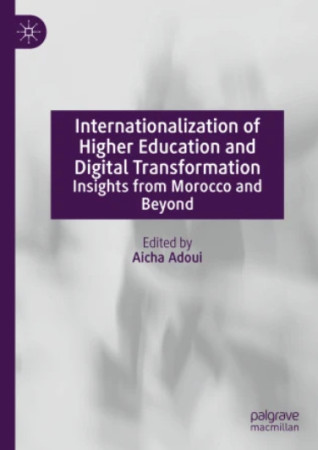
Chapter
Author(s) / editor(s):
Abdelkarim Oubkkou
Year: 2025
Language(s): English
Abstract:
Multicultural education as an approach starts from the premise of equity for all students by embracing differences, be this in terms of ethnicity, race, language, gender, and exceptionality that applies to students with special needs. However, more often than not, practitioners overlook the fact that adopting multicultural education as an approach to teaching and learning can be a catalyst for social change from the inside out. In other words, it starts by addressing and encompassing the multiple needs and differences of the students to instill a large number of soft skills that can be sustainable, both locally and globally speaking. In this framework, it is hypothesized that fostering multicultural competence among students, via multicultural education, can enhance their ability to participate in a globalized world and contribute to international collaboration and understanding. To test this hypothesis, a multicultural education questionnaire was launched and interviews were conducted, involving both English as a Foreign Language (EFL) students and professors as a case study at Sidi Mohammed Ben Abdallah University of Fez. Ultimately, the triangulation of the findings supports the hypothesis that multicultural education plays a pivotal role in conflict resolution and cross-cultural exchange at the global scale. Henceforth, it is highly recommended that policymakers and educators incorporate multicultural education into higher education institutions in the interests of promoting global competence and social change.
https://doi.org/10.1007/978-3-031-76444-8_5
Post created by: interculture.de e.V.